
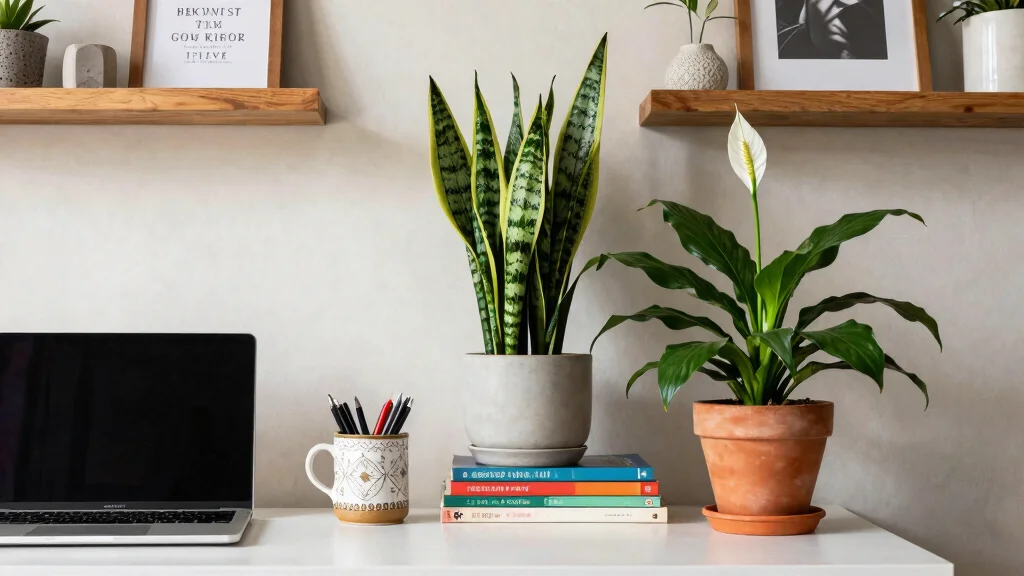
Creating a cozy and inviting home office can be challenging, especially if you don’t get much natural light. If you’ve been daydreaming about adding some greenery to your workspace, you’re in the right place. This post is for anyone looking to spice up their home office decor while making it feel more alive and welcoming.
In this guide, you’ll discover the 7 best office plants for low light. These plants not only thrive in less-than-ideal lighting conditions but also serve as beautiful additions to your indoor plant collection. Whether you’re a busy professional, a student, or just someone who loves to surround themselves with nature, you’ll find a selection of low-light houseplants that are easy to care for and perfect for your indoor gardening journey. Let’s dive into the lush world of office greenery that can also purify the air and boost your mood!
Adding plants to your workspace can transform your environment. They bring a sense of calm and help reduce stress levels, making work more enjoyable. Also, many of these plants require minimal maintenance, making them ideal for those who may not have a green thumb. So, if you’re ready to liven up your home office while keeping things low-maintenance, keep reading to uncover the best options available.
Key Takeaways
– Discover a variety of low light houseplants that thrive in minimal sunlight, making them ideal for home offices.
– Learn about the unique characteristics and care tips for each plant, ensuring you choose the best fit for your space and lifestyle.
– Understand how indoor plants can enhance your home office decor while improving air quality and overall well-being.
– Get practical insights on selecting plants that suit your aesthetic preferences and maintenance capabilities.
– Find inspiration to create a peaceful and productive workspace by incorporating greenery that reflects your personal style.
1. Snake Plant (Sansevieria)
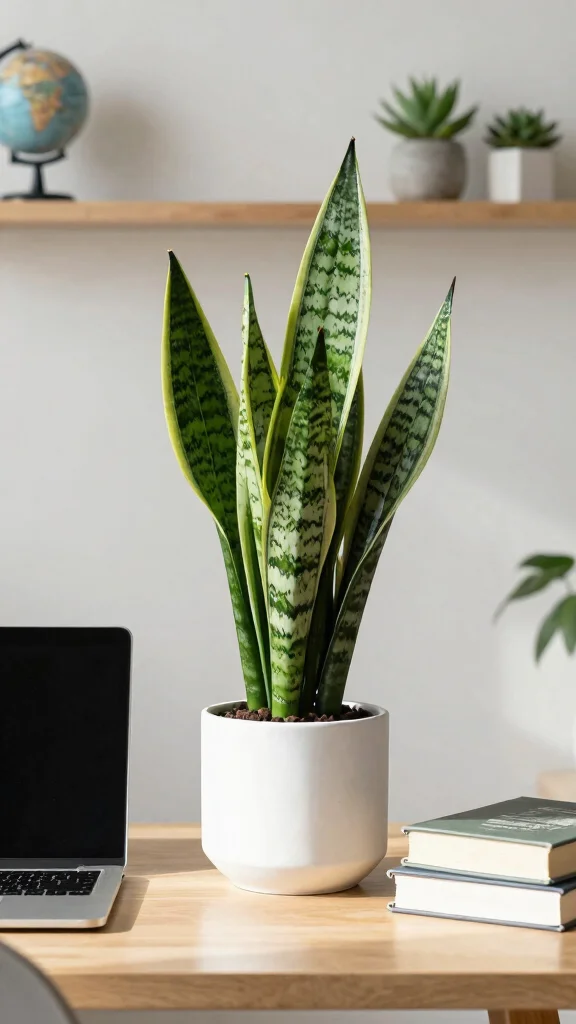
Embracing the snake plant in your home office creates a striking visual that speaks to modern design. Its tall, sword-like leaves offer a sleek silhouette, bringing a touch of sophistication while thriving on minimal care. This resilient plant not only withstands low light but also purifies the air, making your workspace healthy and inviting. You can easily place it in a corner or on your desk for an instant style upgrade.
To keep your snake plant flourishing, consider these practical tips. Water it only when the top inch of soil feels dry, which is perfect for busy professionals. You can also source stylish pots that match your decor, adding a personal touch to your office without breaking the bank.
Here are some ways to incorporate this plant into your space:
– Pair with modern ceramics that complement your decor.
– Install it on a sleek shelf for added height and interest.
– Use it as a focal point on your desk for a calming effect.
By adding a snake plant, you not only enhance your office’s aesthetic but also create a fresh atmosphere that promotes productivity.
Fun fact: Snake plants are among the best office plants for low light and only need watering every 2-3 weeks. They purify the air and add sleek, modern style to your office—perfect for a busy desk. Keep it in a corner or on your desk for an instant upgrade.
2. Peace Lily (Spathiphyllum)
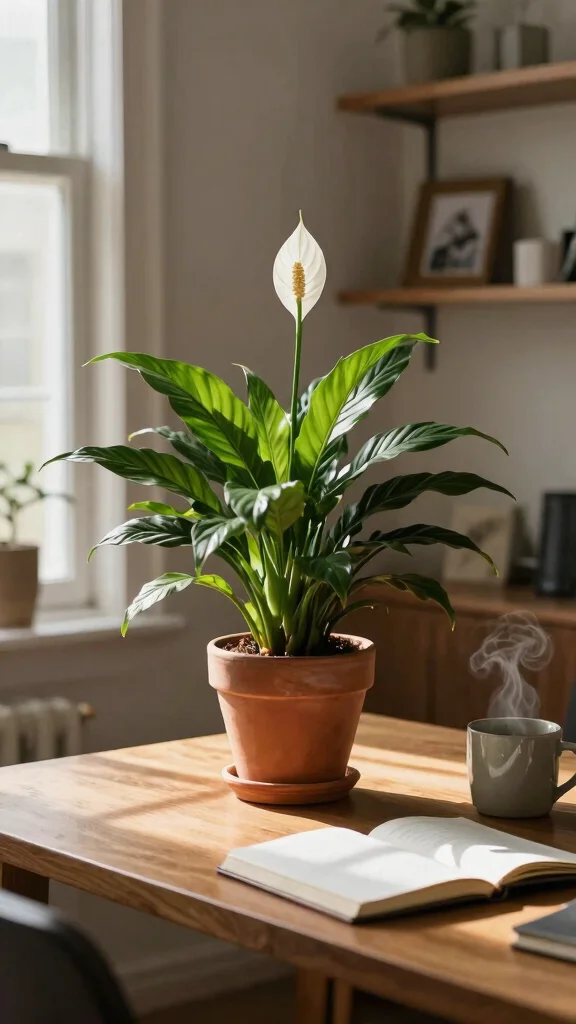
The peace lily stands out as a stunning addition to any home office, bringing both elegance and serenity. Its glossy green leaves and delicate white blooms create a soothing atmosphere, perfect for fostering creativity. This plant thrives in low light and requires minimal care, allowing you to enjoy its beauty without stress. Place it near a window to enjoy filtered light, enhancing its growth and visual appeal.
To maintain a healthy peace lily, keep its soil slightly moist and consider misting the leaves to boost humidity. You can find affordable options at local nurseries or online stores, ensuring your workspace remains vibrant without overspending.
Here are some essential care tips:
– Mist leaves regularly for added humidity.
– Feed it a balanced fertilizer every few weeks.
– Water when the leaves droop to keep it thriving.
Integrating a peace lily into your office decor not only beautifies the space but also enriches the air quality, creating a healthier work environment.
Peace Lily (Spathiphyllum)
Editor’s Choice

Costa Farms Peace Lily Live Plant in Decorative Pot, Air Purifying Flowe…


Costa Farms Peace Lily Live Plant in Decorative Pot, Air Purifying Flowe…

American Plant Exchange Peace Lily Live Spathiphyllum Plant, 6-Inch | Wh…

Peace Lily Plant-Friendship Foliage’s Family Farm Grown Quality Live Ind…

Live Peace Lily Plant, Spathyphylum, Low Light, Live Indoor Plant, 4″ Di…
3. ZZ Plant (Zamioculcas zamiifolia)
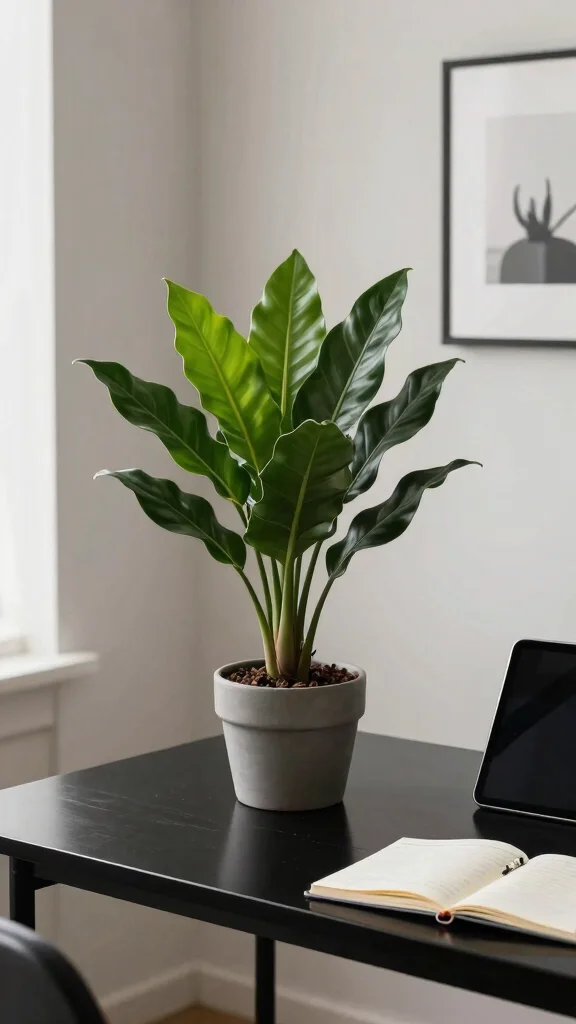
Known for its striking appearance, the ZZ plant offers a bold statement in your home office. Its shiny, dark green leaves grow in a unique formation, serving as a perfect centerpiece for your workspace. This plant thrives in low light and can survive for weeks without water, making it an excellent choice for anyone with a busy lifestyle.
To ensure your ZZ plant stays healthy, remember to water it only when necessary and choose a location with indirect light. You can find beautiful pots that enhance its natural beauty, adding a stylish flair to your desk or shelf.
Adopt these simple care strategies:
– Water when the top inch of soil is dry.
– Keep it in low to bright indirect light.
– Wipe leaves with a damp cloth for a glossy finish.
Adding a ZZ plant not only elevates your office decor but also fosters a calming environment that enhances focus and reduces stress.
ZZ Plant (Zamioculcas zamiifolia)
Editor’s Choice

Costa Farms Everlasting ZZ Live Plant in Self Watering Pot, Easy to Main…

Costa Farms ZZ Live Plant in Decorative Pot, Easy to Maintain, Air Purif…
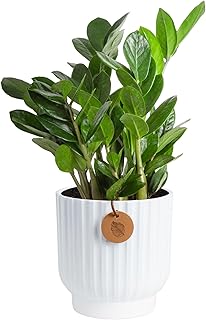
Costa Farms ZZ Live Plant in Decorative Pot, Easy to Maintain, Air Purif…

Costa Farms Raven ZZ Plant, Easy Care Indoor Houseplant, Potted in Decor…

ZZ Plant, Zamioculcas Zamiifolia, Indoor, Outdoor, Live Houseplant, in G…
4. Pothos (Epipremnum aureum)
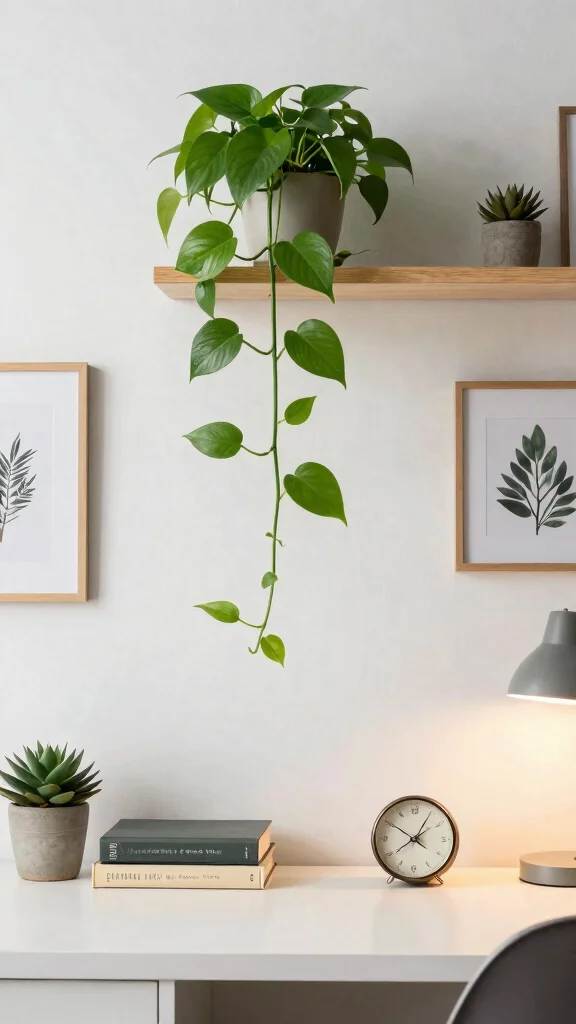
If you’re looking for a low-maintenance plant that adds lush greenery, the pothos is a fantastic option. Its beautiful trailing vines can be styled on shelves or allowed to cascade elegantly from your desk, instantly invigorating your home office. This adaptable plant flourishes in low light and effectively purifies the air, contributing to a healthier environment.
To keep your pothos thriving, water it when the soil feels dry and place it in indirect sunlight to protect its leaves. You can also explore budget-friendly pots that reflect your personal style, creating a cohesive look in your workspace.
Consider these tips for a thriving pothos:
– Water when the soil is dry, usually every week.
– Place it in indirect sunlight for optimal growth.
– Prune occasionally for fuller growth.
Incorporating a pothos can create a refreshing atmosphere, perfect for inspiring creativity and productivity in your home office.
Pothos is the ultimate best office plants low light pick for busy days—it’s forgiving, fast-growing, and lush. Put it on a shelf or let it trail from your desk, and watch your space feel calmer with minimal effort.
Pothos (Epipremnum aureum)
Editor’s Choice

Costa Farms Golden Pothos Live Plant in Decorative Pot, Easy to Maintain…

2 Pack 10 inch Plant Pots, Plastic Self Watering Planters with Drainage …
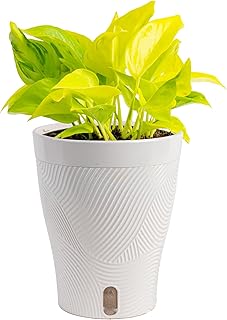
Costa Farms Champs Élysées Pothos Live Plant in Self Watering Pot, Indoo…

Set 6 Assorted Pothos Live Plants, Live Pothos Plant Indoor, 4 to 6 Inc …

Pothos NJoy Live Houseplant 4 Inch Pot Established Variegated Epipremnum…
📹 Related Video: Pothos Care 101: Is This the Easiest Houseplant to Care For?
You might also like
📝 Personalize Your Space Today!
Transform your home office with creative ideas tailored for low-light environments and make it truly yours.
5. Spider Plant (Chlorophytum comosum)
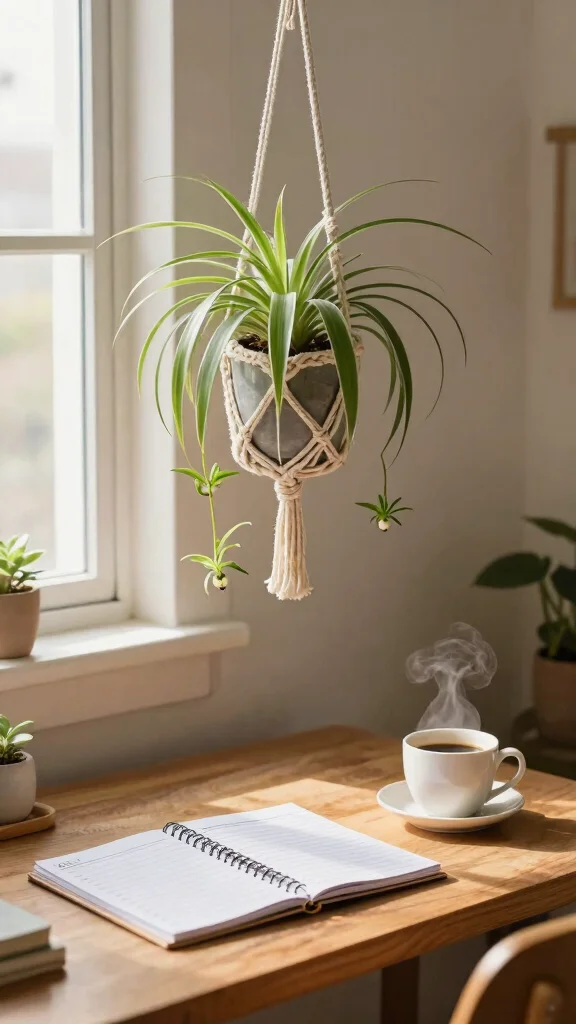
The spider plant is a beloved classic known for its charming arching leaves and baby spiderettes. This delightful plant thrives in a variety of lighting conditions, although it prefers indirect light, making it an easy addition to your home office. Its air-purifying qualities further enhance your workspace, providing a cleaner environment.
To care for your spider plant, allow the soil to dry out between waterings and fertilize sparingly during warmer months. You can even propagate its baby spiders to create new plants, making it a fun and cost-effective option for your decor.
Here are some care tips to keep in mind:
– Let the soil dry between watering.
– Fertilize lightly during the growing season.
– Propagate baby spiders to expand your green collection.
Bringing a spider plant into your office not only adds visual interest but also contributes to a healthier and more vibrant workspace.
Fun fact: The Spider Plant tops the list of the best office plants low light, thriving in indirect sun and forgiving watering mistakes. Watch for 2-3 baby spiderettes that sprout along the arching leaves—simple propagation in minutes, not months.
Spider Plant (Chlorophytum comosum)
Editor’s Choice

American Plant Exchange Spider Plant – Live Indoor Hanging Houseplant, 8…

Perfect Plants Spider Plant in 8in. Hanging Basket | Live Houseplant for…
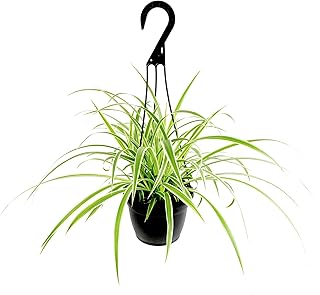
Live Spider Plant in 6″ Hanging Basket with Detachable Hook, Pet Friendl…
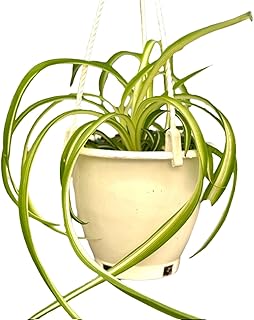
Spider Plant (Chlorophytum comosum) Live Plant in 4-Inch Pot – Easy Care…

Spider Plant Live Indoor Plants, 4 Inch Pots, Set of 3, Bonnie Curly Var…
6. Chinese Evergreen (Aglaonema)
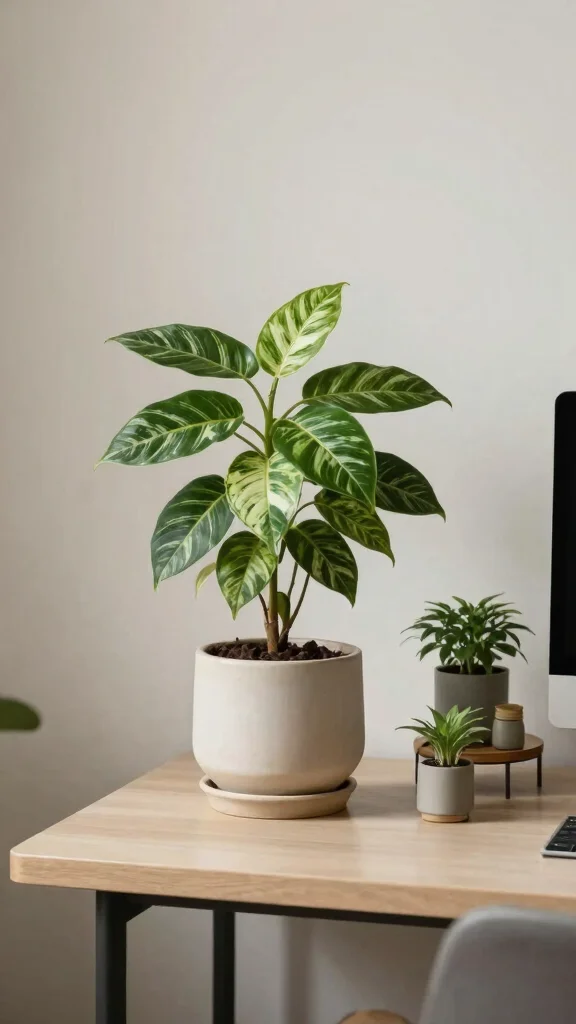
The Chinese evergreen offers stunning variegated leaves that add a splash of color to your home office. With shades of green, silver, and even hints of red, this plant is visually captivating. It thrives in indirect sunlight and is forgiving if you forget to water, making it ideal for busy individuals.
To keep your Chinese evergreen healthy, water it when the soil feels dry and place it out of direct sunlight to prevent leaf scorch. You can find affordable options at local garden centers, allowing you to enhance your decor without overspending.
Keep these tips in mind for optimal care:
– Water when the top inch of soil is dry.
– Avoid direct sunlight to protect the leaves.
– Clean leaves regularly to improve photosynthesis.
Integrating a Chinese evergreen into your workspace not only elevates your aesthetic but also creates a more pleasant and inviting atmosphere.
Chinese Evergreen (Aglaonema)
Editor’s Choice
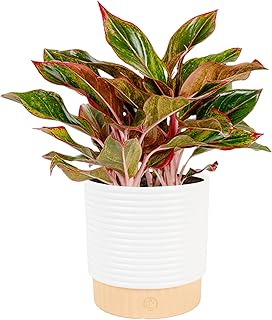
Costa Farms Chinese Evergreen Live Plant in Decorative Pot, Easy to Main…

Costa Farms Chinese Evergreen, Aglaonema Easy To Grow Live Indoor Plant …

Live Aglaonema Chinese Evergreen Plant ‘Beauty’, Indoor Houseplant for H…


Aglaonema Live Plant Collection (4-Pack) – Chinese Evergreen Plants in 2…

Ongoing Maintenance & Care Guide
Maintenance Schedule:
Daily/Weekly Tasks:
– Check Soil Moisture: Stick your finger into the soil about an inch deep. If it feels dry, it’s time to water. This should take about 2-3 minutes daily.
– Wipe Leaves: Dust can block sunlight. Gently wipe the leaves with a damp cloth each week. This task will only take around 5 minutes.
– Rotate Plants: Turn your plants every week to ensure even growth. This task takes about 1 minute each time.
Monthly/Seasonal Tasks:
– Fertilize: Use a balanced fertilizer every month during the growing season. This process will take about 10 minutes, mixing the fertilizer according to package instructions.
– Inspect for Pests: Look for pests like spider mites or aphids monthly. If you find any, treat them with insecticidal soap. This check should take around 10 minutes.
– Repot if Necessary: If the roots are coming out of the drainage holes, it’s time to repot your plant. This can take up to 30 minutes depending on the size of the pot.
– Trim Dead Leaves: Remove any dead or yellow leaves to encourage new growth. This should take about 5-10 minutes each month.
Maintenance Summary Table:
| Task | Frequency | Difficulty | Time Needed |
|———————–|—————|————|————–|
| Check Soil Moisture | Daily | Easy | 2-3 minutes |
| Wipe Leaves | Weekly | Easy | 5 minutes |
| Rotate Plants | Weekly | Very Easy | 1 minute |
| Fertilize | Monthly | Easy | 10 minutes |
| Inspect for Pests | Monthly | Easy | 10 minutes |
| Repot if Necessary | As needed | Moderate | 30 minutes |
| Trim Dead Leaves | Monthly | Easy | 5-10 minutes |
Common Issues to Watch For:
⚠️ Yellow Leaves: This might indicate overwatering. Check the soil moisture and adjust your watering schedule.
⚠️ Brown Leaf Tips: This can be a sign of underwatering or low humidity. Ensure you’re watering enough and consider using a humidifier.
⚠️ Wilting: If your plant is wilting, it might be suffering from both overwatering and underwatering. Check the moisture levels immediately.
⚠️ Pest Infestations: Small webs or visible bugs mean you need to inspect and treat your plant right away.
Care Tips:
💡 Choose the Right Location: Keep your low-light plants away from direct sunlight but in a well-lit room. They thrive in indirect light.
💡 Use the Right Soil: A well-draining potting mix helps prevent root rot. Look for soil labeled for houseplants.
💡 Water Wisely: Always water thoroughly but allow the top inch of soil to dry out between waterings. This promotes healthy root growth.
💡 Group Plants: Grouping your plants can increase humidity, which many low-light plants love. Consider placing them together on a shelf or desk.
💡 Be Patient: Growing indoor plants can take time. Observe and adjust your care as needed. Remember, each plant is unique!
7. Cast Iron Plant (Aspidistra elatior)
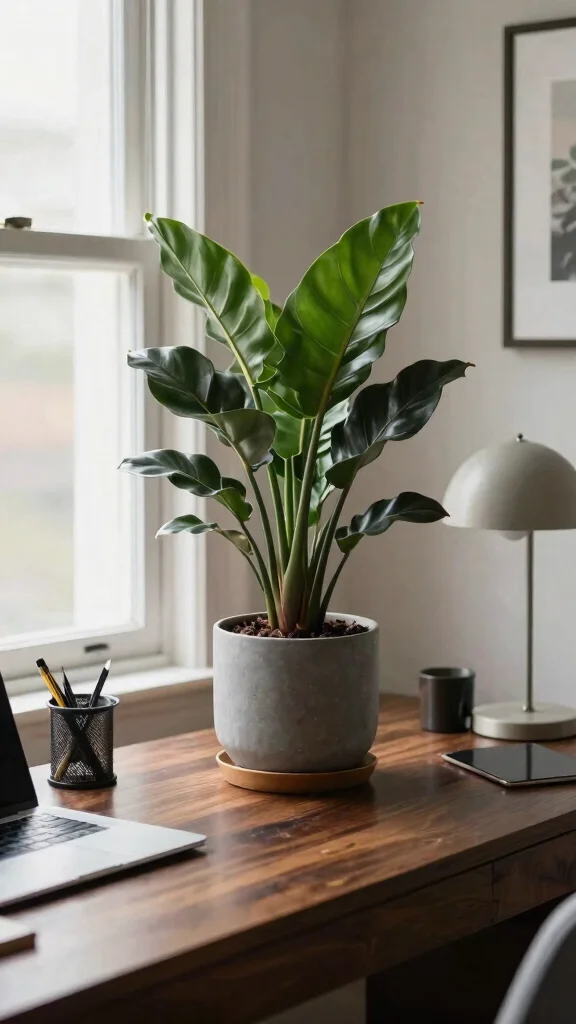
For those seeking a truly resilient plant, the cast iron plant is unmatched. With its broad, dark green leaves, it brings both elegance and vibrancy to your home office. This hardy plant can endure low light and varying temperatures, making it the perfect choice for anyone wanting beauty without constant care.
To ensure your cast iron plant thrives, water it sparingly, allowing the soil to dry out between waterings. It adapts well to different environments, so feel free to place it wherever it looks best in your space.
Here are some care tips to consider:
– Water occasionally, letting soil dry between waterings.
– Place in low-light conditions, but brighter light helps growth.
– Dust leaves regularly to keep them looking fresh.
Adding a cast iron plant not only enhances your decor but also showcases a remarkable blend of resilience and beauty, making it a stunning addition to your home office.
Conclusion
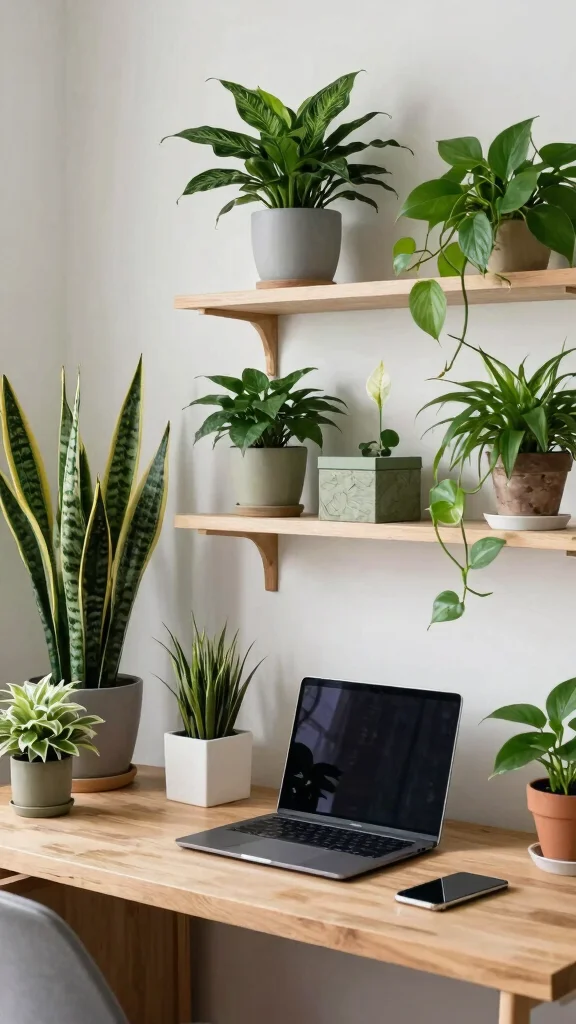
Adding low-light plants to your home office can transform your workspace into a vibrant and peaceful environment.
These best office plants low light not only enhance your decor but also improve air quality and boost your mood. Each of these plants brings its charm and benefits, making it easy to find the perfect fit for your style and needs.
So, whether you’re an aspiring plant parent or a seasoned gardener, integrating these green companions into your home office will surely elevate your productivity and creativity.
Note: We aim to provide accurate product links, but some may occasionally expire or become unavailable. If this happens, please search directly on Amazon for the product or a suitable alternative.
This post contains Amazon affiliate links, meaning we may earn a small commission if you purchase through our links, at no extra cost to you.
Frequently Asked Questions
What are the best office plants for low light in a home office, and why are they great?
Choosing the best office plants low light means picking species that tolerate shade and few light hours. Great options include snake plant (Sansevieria), ZZ plant, pothos, philodendron, peace lily, cast iron plant, and spider plant. They stay healthy with minimal fuss because many store water in leaves, tolerate irregular watering, and don’t demand bright sunlight. For home office decor, their varied shapes and leaf colors add interest without crowding a desk.
Care tips: water when the top inch of soil is dry (usually every 1–2 weeks, depending on your space), use pots with drainage, and avoid letting soil stay soggy. Keep them in indirect light or low to moderate light and wipe leaves occasionally to maximize photosynthesis. Many are also air-purifying plants that improve office air quality.
How should I place and care for low light houseplants to match my home office decor?
Placement matters for low light houseplants. Create a layered display with varying heights, textures, and pot styles to enhance home office decor. Avoid vents and direct heat; aim for stable indoor temps. Group 2–4 plants on a shelf, a windowsill with filtered light, or a tall plant stand near the desk. Care tips include rotating monthly for even growth, using well-draining soil, and watering as described. Keep leaves free of dust to help indoor plant care and plant health. If your space has extremely low light, rely on artificial light or choose the most tolerant species.
What are common watering and feeding tips for low-light indoor plant care?
Watering is often the trickiest part of indoor plant care in low light. Most of these plants prefer to dry a bit between waterings. Check soil moisture with your finger; if the top 1 inch is dry, water thoroughly until it drains out. In winter, you may water every 2–3 weeks. Fertilize lightly with a balanced, water-soluble fertilizer every 6–8 weeks during the growing season; skip in winter. Signs of overwatering include yellowing leaves and soggy soil; signs of underwatering include droopy leaves. Use pots with drainage and avoid letting roots sit in water.
Do low-light plants really purify air, and which ones should I pick for office atmosphere?
Yes, many low-light office plants are known for air purification. Great picks for office greenery and low-light spaces include snake plant, pothos, and peace lily. They help remove VOCs and improve humidity a bit. To maximize benefits, place a few plants where you spend long hours, dust the leaves regularly, and avoid overstocking a small area so air can circulate. Remember, plants help, but good ventilation and regular cleaning are also important.
What maintenance routine helps keep your best office plants low light healthy over time?
Create a simple indoor plant care routine you can actually keep. Weekly: wipe leaves with a damp cloth to remove dust and inspect for pests. Monthly: rotate plants to promote even growth and check soil moisture. Every 12–18 months: repot if roots are crowded and refresh potting mix. In spring and summer, feed lightly with a balanced fertilizer; in fall and winter, ease back. Keep a consistent schedule, and your home office decor will stay fresh with thriving low-light houseplants.
Related Topics
home office decor
low light houseplants
indoor gardening
office greenery
air-purifying plants
easy care plants
beginner friendly
plant styling
workspace wellness
low light plants
decorative plants
home office plants