
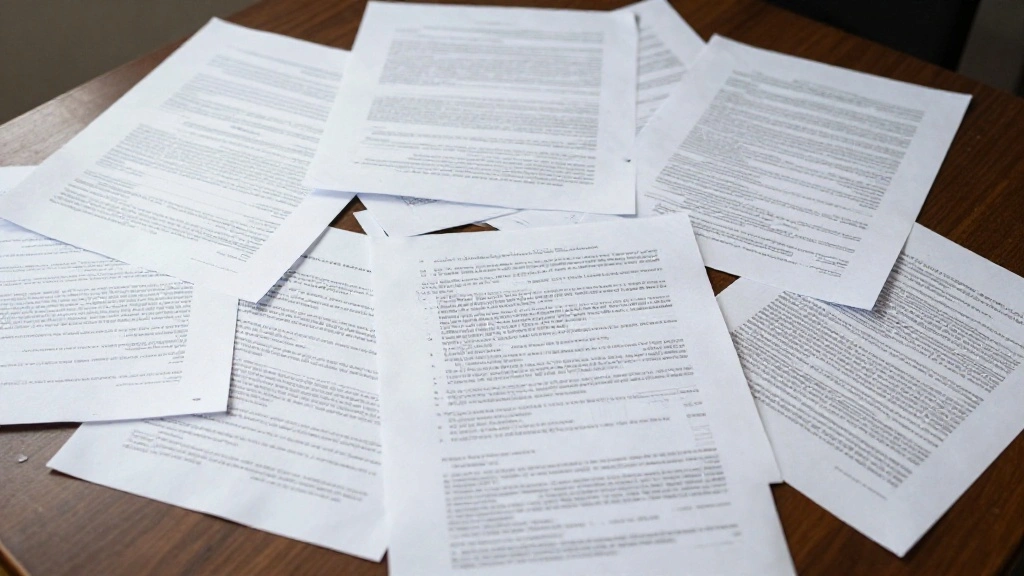
Is your home office or workspace cluttered with paperwork? Are you constantly searching for important documents, only to feel overwhelmed by the chaos? You are not alone. Many people struggle with organizing paperwork, leading to wasted time and increased stress.
This guide will help you create a simple filing system that transforms your paperwork into an organized and efficient system. By the end of this article, you will have a clear understanding of how to categorize, file, and maintain your documents with ease.
You will learn specific steps to gather your paperwork, choose the right filing materials, and establish a system that works for you. The best part? This process is designed for beginners and can be completed in about 2-3 hours.
Let’s get started on this journey to declutter your workspace and find peace in your paperwork!
TL;DR Summary
- Identify and gather all paperwork in one place.
- Choose appropriate filing materials to create your system.
- Organize documents into categories for easy access.
- Maintain your filing system regularly to keep it efficient.
Recommended Products

【24" Ultra-Wide Desktop for All Printers】 Upgrade your workspace with our 24'' spacious tabletop, specifically designed to accommodate large office printers or dual monitor arms—while others are only 15'' and too narrow. Built for superior stability, it supports up to 120 lbs (55 kg), providing a rock-solid workstation for remote workers and freelancers who need a high-capacity, heavy-duty storage solution

Fireproof and water-resistant: Fireproof lock box is made of double layered non-itchy silicone coated fiberglass which stands up the temperature up to 2000℉.It has passed the UL94 -V0/5VA flame retardant test.Fireproof file box is not only fireproof but also high water resistant in case it gets wet for any reason.Nothing is completely foolproof, but added protection is always a good idea.

[Large Storage, Small Footprint] This 15.7"D x 16.1"W x 40.6"H file cabinet comes with 3 file drawers that offer lots of storage to keep your paperwork organized and easy to access yet take up little floor space
TL;DR Summary
Editor’s Choice

Brother P-Touch PT-N10 Personal Handheld Label Maker, Portable and Print…


Amazon Basics Hanging File Folders with Adjustable Tabs, Sturdy Expandab…
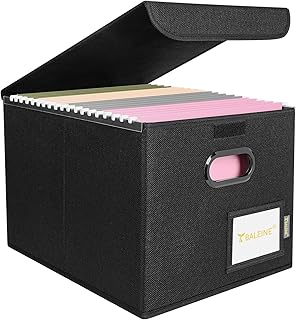
BALEINE File Organizer Box with Lid, Collapsible File Folder Organizer w…
Prerequisites/Materials Needed
- Filing cabinet or box
- File folders (at least 20)
- Label maker or labels
- Pens and markers
- Paper clips or binder clips
Recommended Products
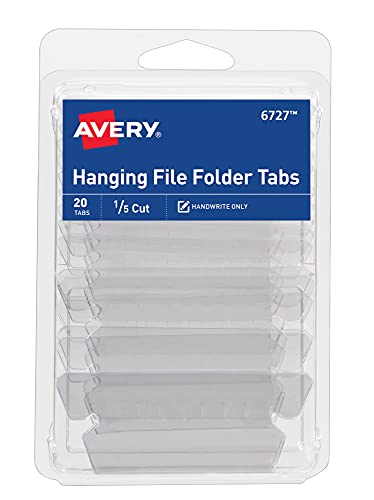
Organize files quickly and easily with durable, pre-cut one-piece plastic tabs for hanging file folders

25 letter-size hanging file folders in Green; ideal for 8-1/2 x 11-inch documents
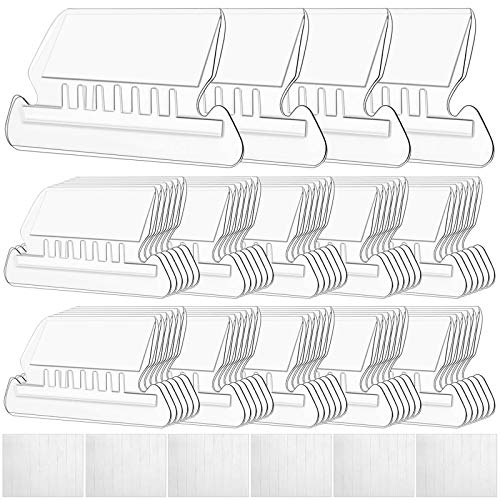
GREAT VALUE: You will get 100pcs insertable plastic hanging file folder tabs and white blank paper inserts, enough for your long time using
Prerequisites/Materials Needed
Editor’s Choice

Brother P-Touch, PTD210, Easy-to-Use Label Maker Bundle (4 Label Tapes I…

VASAGLE CUSTOS Collection – 2-Drawer File Cabinet, Small Rolling Filing …

SUNEE File Folders, 30 Pack Manilla Folders 8.5 x 11, Colored File Folde…
Skill Level & Time Estimate
Skill Level: beginner
Total time estimate: 2-3 hours
Breaking it down by major steps:
- Gathering paperwork: 30 minutes
- Choosing filing materials: 30 minutes
- Organizing documents: 1-2 hours
- Labeling and maintaining: 30 minutes
Recommended Products

Smooth File Access: PVC rails on both sides let you slide file folders in and out, keeping letter-size documents neatly organized (NOTE: file folders are not included)

Package Contains: 6 pieces small clear plastic beads storage containers with lids to help you classify and protect your important items
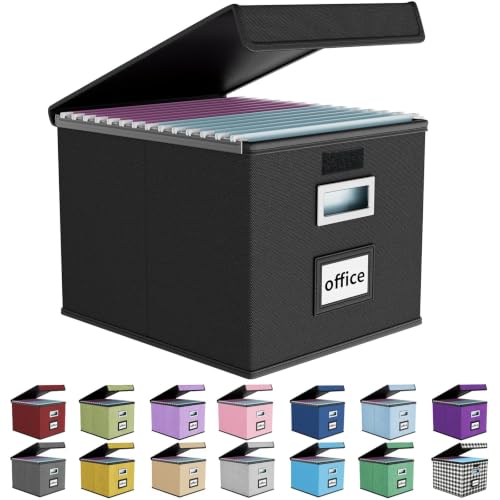
Universal Size: This file box with lid is suitable for letter-sized files. It is specially designed for hanging file folders (NOTE: File folders are not included). It is equipped with smooth PVC slide rails on both sides, you can easily slide the folder for easy referencing, effectively helping you maintain the integrity and orderliness of files. The lid has a hook-and-loop fastener for a secure fit.
Skill Level & Time Estimate
Editor’s Choice

Nelko Label Maker Machine with Tape, P21 Bluetooth Label Printer, Wirele…

Pendaflex File Folders, 100 Pack, Durable Manila Folders, Letter Size (8…

Bankers Box 12 Pack Standard Duty File Storage Boxes, Standard Assembly,…
Step 1: Gather All Paperwork
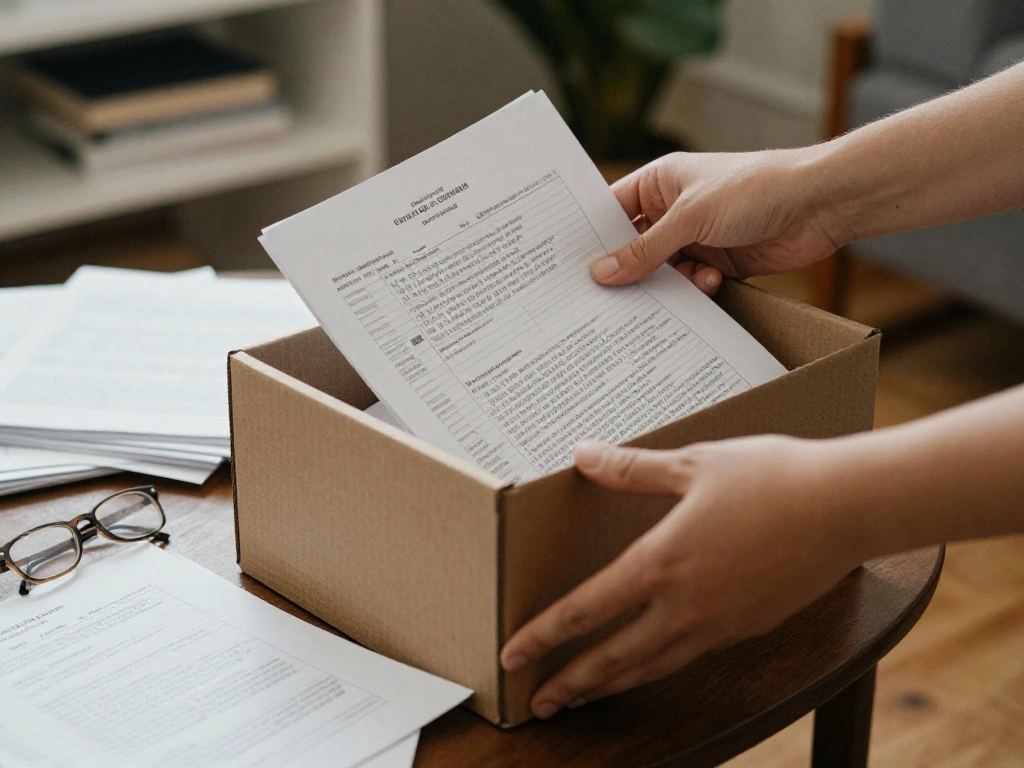
Start by collecting all your paperwork from different areas of your home. This includes documents from your home office, kitchen, living room, and any other spaces where you may leave important papers.
- Clear a flat surface to work on, like a table or desk.
- Go room by room and gather all papers into one pile.
- Sort through the pile and remove any trash or irrelevant documents.
Pro Tip: Use a box to separate documents you want to keep from those you can discard.
Why this matters: Consolidating your paperwork helps you see the full scope of what you need to organize.
Time estimate for this step: 30 minutes.
Recommended Products
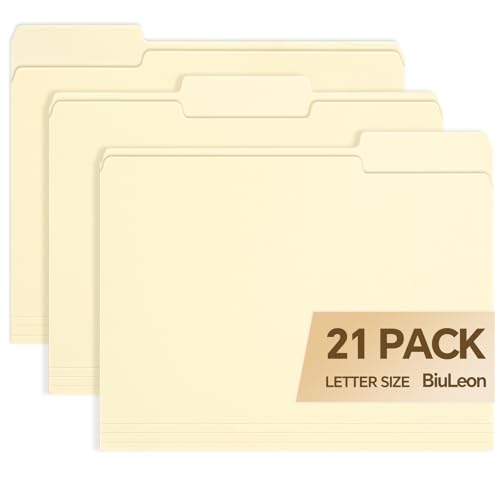
Standard Letter Size: This file folders includes 21 packs of premium manilla file folders designed for standard letter-sized documents (8.5 x 11 inches), perfect for a variety of documents such as projects, bills, records, recipes, client or student information, letters, reports and contracts.

Package Includes: This file folders includes 18 count manila folders designed for letter-sized paper (8.5 x 11 inches). They offer an ideal solution for keeping your paperwork organized.

100 manila letter-size file folders; ideal for 8-1/2 x 11-inch documents
Step 1: Gather All Paperwork
Editor’s Choice
Bankers Box 12 Pack Standard Duty File Storage Boxes, Standard Assembly,…

Sbanmao Letter/Legal Rolling File Cart with 2 Storage Drawers, Under Des…
Step 2: Choose Your Filing Materials
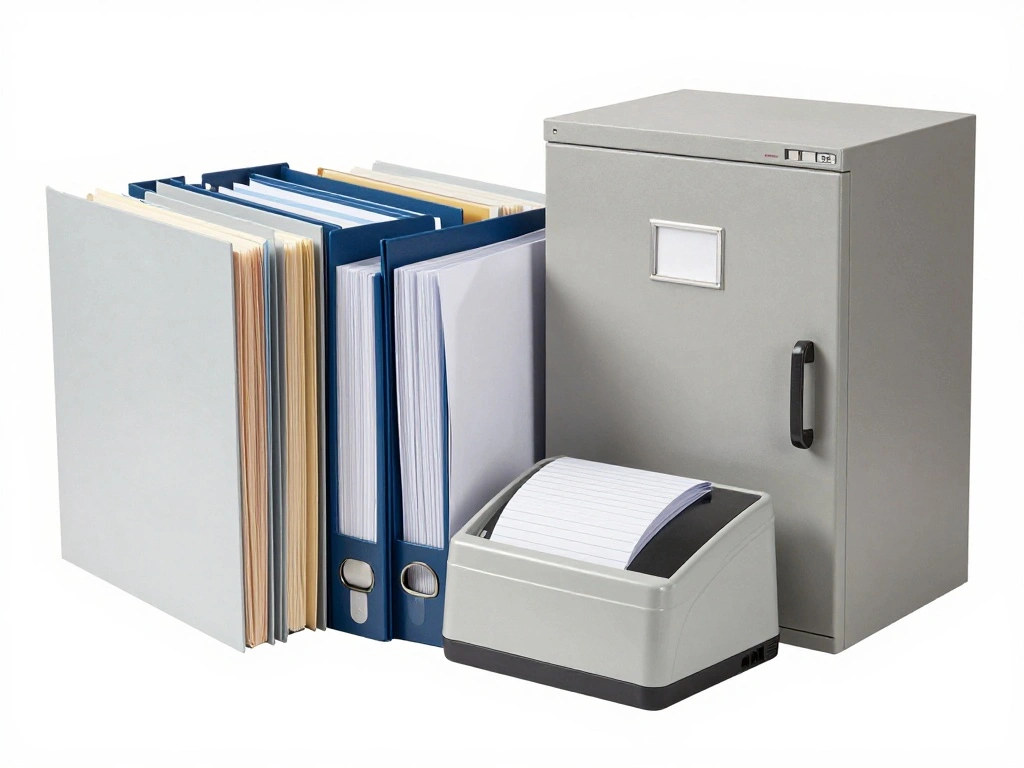
Next, select the materials you will use to organize your paperwork. This will depend on the volume of papers you have and your personal preferences.
- Choose a filing cabinet, a box, or a shelf to store your files.
- Purchase file folders, preferably in different colors for easy identification.
- Consider a label maker for clear labeling of folders.
Pro Tip: Use different colors to categorize documents by type (e.g., bills, medical records, school papers).
Why this matters: Having the right materials makes it easier to maintain your filing system in the long run.
Time estimate for this step: 30 minutes.
Recommended Products

Fast Keyboard & Smart App Printing: Print directly via the keyboard for quick frequent labeling, or use the App via Bluetooth connection to create customized designs; ideal for home organization, garage tools, pantry items, office files, and school supplies

Manage files efficiently with a uniform, organized look with classic white file folder labels that allow text to stand out

Ideal For Small Office, Home Office, and Home Organization: a mobile label maker to keep homes, small offices, and workspaces tidy and organized. Powered by 6 AAA batteries or optional AC adapter (each sold separately)
Step 2: Choose Your Filing Materials
Editor’s Choice

BYNSOE 2 Drawer File Cabinet with Lock Vertical Filing Storage Cabinet O…
Nelko Label Maker Machine with Tape, P21 Bluetooth Label Printer, Wirele…
SUNEE File Folders, 30 Pack Manilla Folders 8.5 x 11, Colored File Folde…
Step 3: Organize Documents into Categories
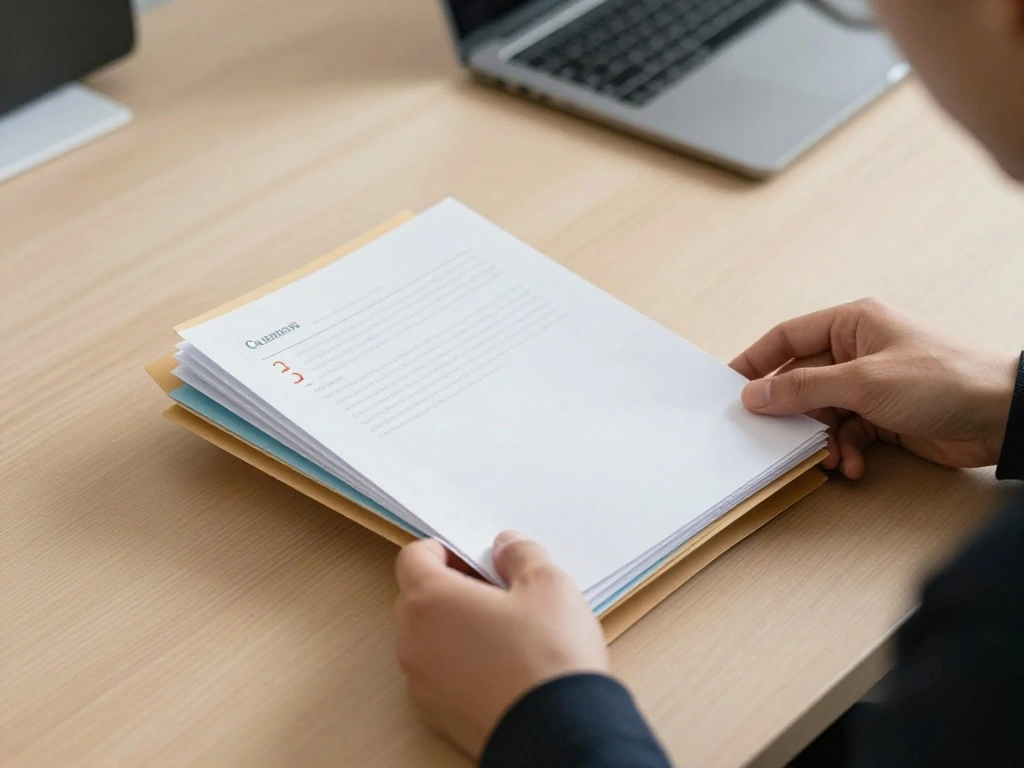
Now it’s time to categorize your documents. Organizing them into specific categories will make it easier to locate papers when needed.
- Identify key categories relevant to your life, such as:
- Financial (bills, bank statements)
- Medical (doctor’s notes, insurance)
- Household (leases, warranties)
Pro Tip: Create subcategories if necessary to keep things simple and organized.
Why this matters: Clear categories help you find documents quickly and efficiently when you need them.
Time estimate for this step: 1 hour.
Recommended Products

1. [Fits All Size] The home office filing cabinet has two roomy file drawers. The drawers is designed for letter or A4-sized documents, easing the trouble of finding suitable storage for various document formats.

【Rustic Farmhouse Aesthetic】 Warm honey‑brown finish and classic barn‑door details bring farmhouse charm to your office or study. Vers

THICKENED METAL PLATE: The 2 drawer file cabinet with lock is constructed from upgraded and reinforced steel plates, boasting exceptional load-bearing capacity, remarkable stability, and long lifespan. Each drawer has a maximum weight capacity of 30 lbs. Small printers and scanners can be placed on it. The surface of the small file cabinet is coated with powder coating, providing effective protection against corrosion and rust
Step 3: Organize Documents into Categories
Editor’s Choice
Nelko Label Maker Machine with Tape, P21 Bluetooth Label Printer, Wirele…
BALEINE File Organizer Box with Lid, Collapsible File Folder Organizer w…

Pendaflex Hanging File Folders, Letter Size, Assorted Colors, 1/5-Cut Ad…
Step 4: File and Label Your Documents
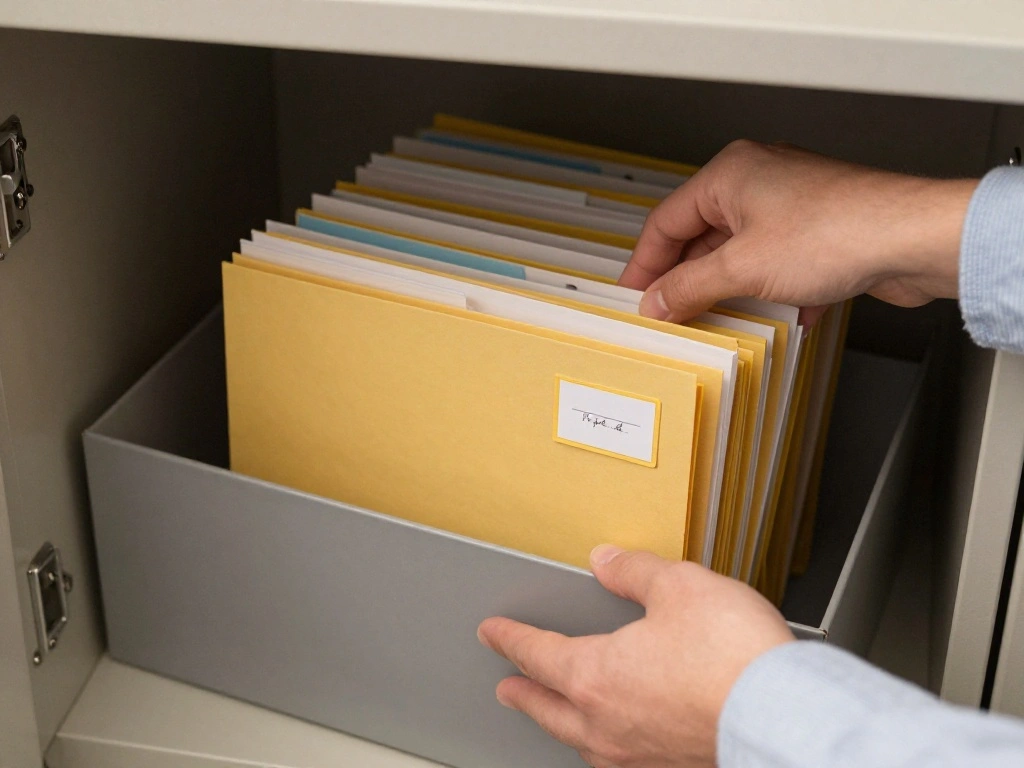
With your documents categorized, the next step is to file and label them accurately. This creates a clear system that allows for quick access to any document.
- Place each categorized folder in your filing cabinet or box.
- Use a label maker or write labels on each folder to identify its contents.
- Ensure all labels are clearly readable and positioned correctly on the folders.
Pro Tip: Use a consistent labeling format (e.g., bold font, all caps) for clarity.
Why this matters: Proper labeling eliminates confusion and saves time when searching for documents.
Time estimate for this step: 1 hour.
Recommended Products

25 letter-size hanging file folders in assorted colors (5 each: Red, Orange, Yellow, Green, Blue); ideal for 8-1/2 x 11-inch documents

Hanging file folder (25-pack) in Assorted Jewel-tone Colors (Teal, Purple, Gray, Navy, and Burgundy) holds 8.5 x 11-inch letter-size documents and folders

Hanging file folders (75-pack) holds 8.5 x 11-inch letter-size documents and folders
Step 4: File and Label Your Documents
Editor’s Choice
Pendaflex File Folders, 100 Pack, Durable Manila Folders, Letter Size (8…
Step 5: Maintain Your Filing System Regularly
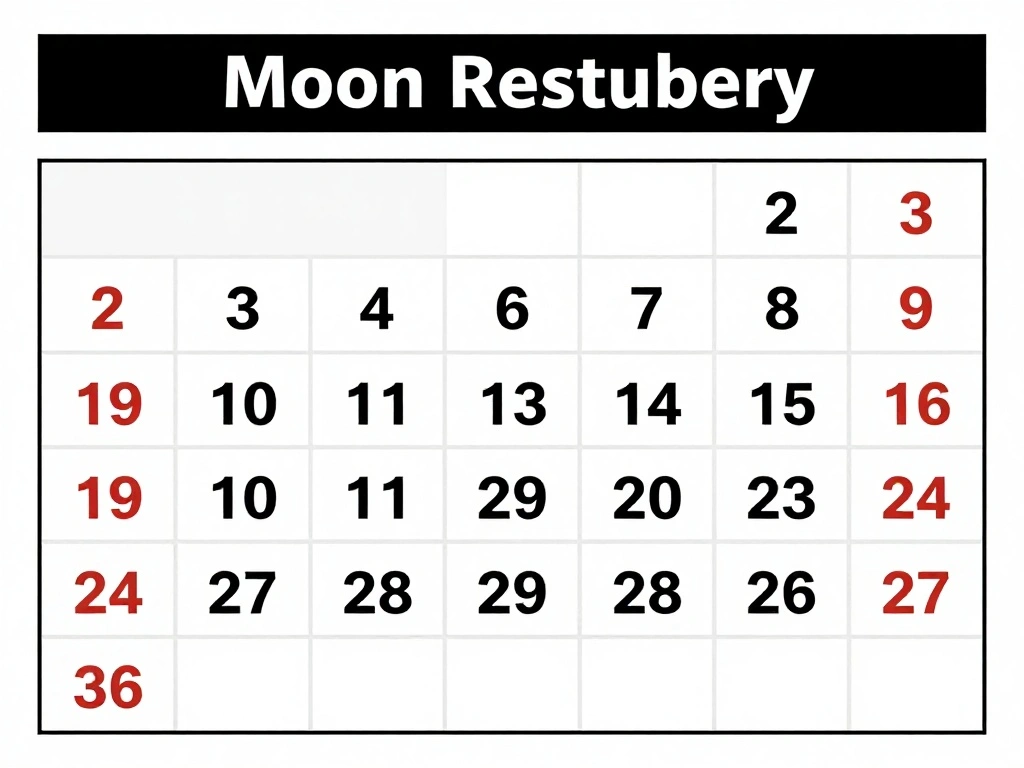
Once your system is in place, it’s essential to maintain it regularly to avoid future clutter. Establish a routine to keep everything organized.
- Set aside a specific day each month to review your files.
- Remove any outdated documents or those no longer needed.
- Ensure new documents are filed immediately after receipt.
Pro Tip: Create a checklist for your monthly review to stay organized and accountable.
Why this matters: Regular maintenance prevents paperwork from piling up again, keeping your system effective.
Time estimate for this step: 30 minutes.
Recommended Products

【Universal Size】The storage box is ideal for storing letter-sized documents and other non-document items. The internal dimensions are 14.3 inches x 12.4 inches x 10.2 inches, and the external dimensions are 14.9 inches x 12.7 inches x 10.8 inches. Our file storage box is robust and can easily attach folders to the lid. (Note: Folders are not included)

DIMENSIONS: 14"L x 11"W x 3.25"H. Perfectly sized container for notebooks, paper, folders, and any paper related items you may have.

Fits a Full Ream of A4 & 8.5"×11" Paper — External:13.3"L × 9.3"W × 2.8"H,6 Qt — Large enough to hold 500 sheets of standard printer paper, photos, magazines, and coloring paper. Ultra-slim 2.75" low-profile design fits into desk drawers, under monitor risers, and onto bookshelves without wasting vertical space.
Step 5: Maintain Your Filing System Regularly
Editor’s Choice

To Do List Notepad: With Multiple Functional Sections – 6.5 x 9.8″ 60 Sh…

SKYDUE Expanding File Organizer with 8 Pockets, Accordion File Folders w…
Nelko Label Maker Machine with Tape, P21 Bluetooth Label Printer, Wirele…
Step 6: Evaluate and Adjust Your System as Needed
Finally, take time to evaluate your filing system periodically. Adjust the structure as necessary to accommodate changes in your life or paperwork volume.
- Assess if your current categories still make sense.
- Consider whether you need more folders or a different storage solution.
- Solicit feedback from family members who use the system.
Pro Tip: Keep an open mind and be willing to adapt your system to better suit your needs.
Why this matters: Flexibility ensures your filing system remains relevant and functional over time.
Time estimate for this step: 30 minutes.
Recommended Products

PACK OF 100 MANILA FOLDERS: A great value pack of file folders to build or refresh your files and keep documents organized all year long; use with Pendaflex hanging file folders for a coordinated organization system

Standard Letter Size: Each folder is designed to accommodate standard letter-sized documents (8.5 x 11 inches), making it perfect for storing a wide range of documents such as letters, reports, and contracts

250-PACK BULK SUPPLY, STOCK UP ONCE AND STAY ORGANIZED – One box of 250 manila file folders letter size covers entire file cabinets, multiple workstations, or a complete office overhaul. Ideal for standardizing file organizer folders across departments, teams, classrooms, or households.
Step 6: Evaluate and Adjust Your System as Needed
Editor’s Choice

Pendaflex Expanding File Pockets, Letter Size, 5.25″ Expansion, Reinforc…

Avery Multi-Use Removable Labels, 1″ x 3″, White, Non-Printable, 72 Blan…
Bankers Box 12 Pack Standard Duty File Storage Boxes, Standard Assembly,…
Pro Tips
- Digital Backup: Consider scanning important documents and storing them digitally for easy access and backup.
- Use a Shredder: Shred sensitive documents instead of throwing them away to protect your personal information.
- Color Coding: Use color-coded labels or folders to quickly identify categories at a glance.
- Limit Paper Intake: Reduce incoming paperwork by opting for digital statements and bills whenever possible.
- Involve Family: Teach family members how to use the filing system to ensure everyone knows where to find important documents.
Recommended Products
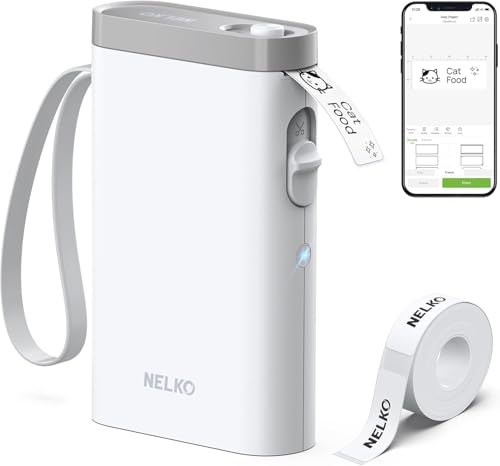
2026 New Version: Compared with traditional label makers, Nelko P21 handheld label maker has half the weight and size, making it smaller, smarter, and ultra-portable. The wireless Bluetooth label maker can slip into your pocket, allowing you to print anytime, anywhere. For great printing results, we recommend using our NELKO thermal label paper. Important Note for iOS Users: Please make sure you have updated your Nelko P21 app to the latest version (V4.8.0) for a great experience

COMPACT & LIGHTWEIGHT: As a handheld label maker, this device stands out with its lightweight and compact nature, making labeling a convenient task in any location.

CUSTOMIZE, ORGANIZE and OPTIMIZE YOUR LABELING GAME: Portable, battery operated, user-friendly handheld label maker ideal for dorm rooms, student life and traveling; a compact solution to identify belongings, create reminders, and express yourself
Pro Tips
Editor’s Choice

Bonsaii 12-Sheet Cross Cut Paper Shredder, 5.5 Gal Home Office Heavy Dut…
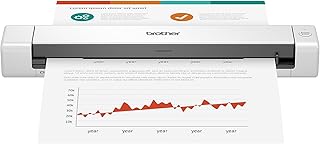
Brother DS-640 Compact Mobile Document Scanner, (Model: DS640)
Pendaflex Hanging File Folders, Letter Size, Assorted Colors, 1/5-Cut Ad…
Common Mistakes to Avoid
Warning: Don’t ignore outdated documents. They can clutter your system and make it harder to find what you need. Regularly review and purge unnecessary papers.
Warning: Avoid overly complex categories. Keep it simple to ensure you can find documents easily.
Warning: Don’t neglect labeling. Unlabeled folders lead to confusion and time wasted searching for documents.
Common Mistakes to Avoid
Editor’s Choice
BYNSOE 2 Drawer File Cabinet with Lock Vertical Filing Storage Cabinet O…
Nelko Label Maker Machine with Tape, P21 Bluetooth Label Printer, Wirele…
BALEINE File Organizer Box with Lid, Collapsible File Folder Organizer w…
Troubleshooting Section
Problem: I can’t find a specific document.
Solution: Check your filing categories, and if necessary, sort through the folders to locate it. Consider creating a temporary ‘missing’ folder to track documents you need to address later.
Problem: My filing system is overflowing.
Solution: Review your documents and discard anything outdated or unnecessary. Consider switching to a larger filing solution if needed.
Problem: I don’t have enough time to maintain my system.
Solution: Set a reminder on your phone to allocate a specific time each month for paperwork maintenance.
Variations/Alternative Methods
If the traditional filing system doesn’t work for you, consider these alternatives:
- Digital Filing: Use cloud storage services like Google Drive or Dropbox for a paperless approach.
- Bullet Journal: Implement a bullet journal system to keep track of important dates and documents without physical clutter.
- Monthly Binders: Use binders for specific months to keep track of paperwork relevant to that period.
Variations/Alternative Methods
Editor’s Choice

Forvencer Binder Pocket, 10 Pack Super Heavyweight Plastic Folders with …
Nelko Label Maker Machine with Tape, P21 Bluetooth Label Printer, Wirele…
FAQs
What if I don’t have a label maker?
You can use handwritten labels or sticky notes as a temporary solution until you get one.
How long should I spend on organizing paperwork?
Allocate at least 2-3 hours for a thorough organization, but you can spread this over several days if needed.
Is it safe to throw away old tax documents?
Keep tax documents for at least seven years to protect against audits before discarding.
FAQs
Editor’s Choice
BYNSOE 2 Drawer File Cabinet with Lock Vertical Filing Storage Cabinet O…
SKYDUE Expanding File Organizer with 8 Pockets, Accordion File Folders w…

Nelko Label Maker Machine with Tape, P21 Bluetooth Label Printer, Wirele…
Conclusion
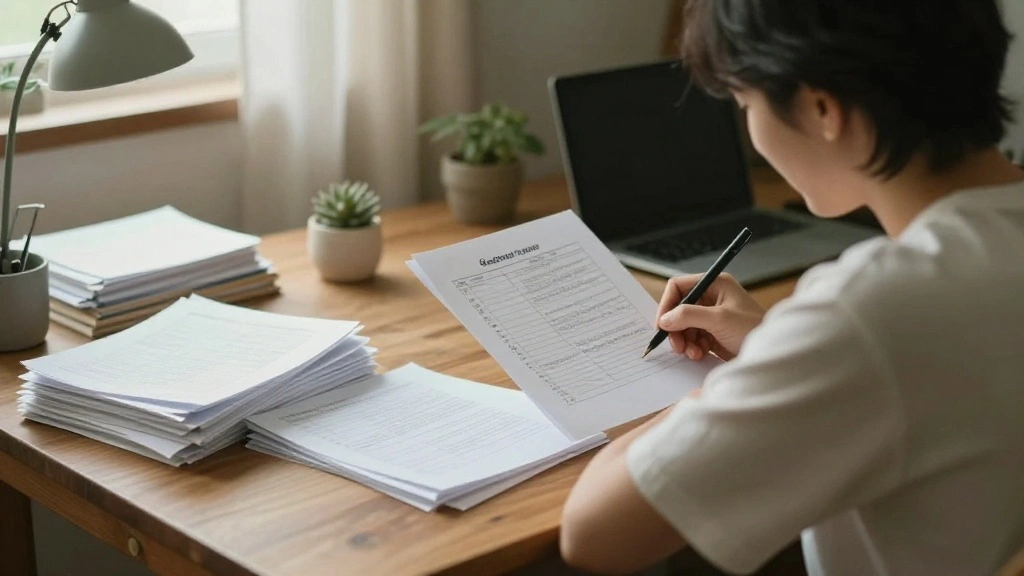
Congratulations! You’ve taken significant steps to organize your paperwork and create a sustainable filing system. By following these steps, you’ve transformed chaos into order, significantly reducing stress in your home.
Now that your system is in place, keep it maintained and consider sharing your knowledge with friends or family who may also struggle with paperwork organization. Embrace this newfound clarity and enjoy a more organized life!